Ketamine
Ketamine started as an anesthetic but low doses now treat hard-to-treat depression, anxiety, PTSD, and sometimes chronic pain. It works fast — often within hours — by blocking NMDA receptors and boosting glutamate, which helps reset brain connections, unlike traditional antidepressants that take weeks.
The FDA approved esketamine (Spravato nasal spray) specifically for treatment-resistant depression, sometimes as a standalone treatment now. Regular ketamine gets used off-label via IV infusions in clinics. It can quickly ease suicidal thoughts too, which is a big deal.
Who Is Not A Good Candidate For Ketamine Therapy
Who is not a good Candidate for Ketamine Therapy? The best candidates for ketamine therapy are adults with treatment-resistant depression — meaning you’ve tried at least two different antidepressants without lasting relief — especially if you’re dealing with severe symptoms or suicidal thoughts. It’s also used for PTSD, severe anxiety, OCD, and sometimes chronic pain when standard treatments haven’t worked.
You should be medically stable and be a good Candidate for Ketamine Therapy — controlled blood pressure, no active heart issues, and no history of psychosis or schizophrenia, since ketamine can worsen those. Active substance abuse is usually a no–go because of abuse potential, and it’s not for pregnant people.
Side Effects Of Ketamine
Common side effects during treatment include dissociation — that detached, floaty feeling — dizziness, nausea, blurred vision, and a temporary blood pressure spike. These usually fade soon after a session. Serious risks involve hallucinations.
Long-term or recreational use is where it gets risky — it can cause chronic pain and lead to addiction.
Ketamine For Sale
Buy R-Ketamine, r-Ketamine UK
Microdosing ketamine, including R-ketamine, is being used for conditions such as depression, anxiety, and enhanced cognition.
However, it’s crucial to approach these claims with caution, as the scientific evidence supporting these uses is limited, and the risks associated with unsupervised use of ketamine are significant. Here are some potential claimed benefits:
- Mood Enhancement: Some individuals claim that microdosing ketamine, including the R-ketamine enantiomer, can have positive effects on mood, potentially alleviating symptoms of depression or anxiety.
- Enhanced Creativity and Focus: Similar to reports associated with other psychedelics, some users suggest that microdosing ketamine may lead to increased creativity, improved focus, and heightened problem-solving abilities.
- Increased Energy and Motivation: Users have reported experiencing increased energy levels and motivation when microdosing ketamine, particularly in the context of managing depressive symptoms.
- Potential for Pain Relief: Given ketamine’s analgesic properties, some individuals suggest that microdosing ketamine might offer relief from chronic pain conditions.
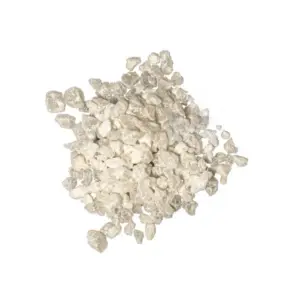
Ketamine
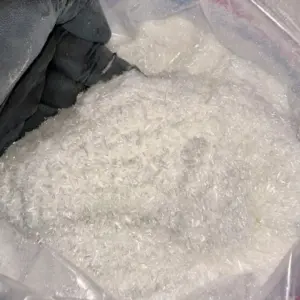
Others